
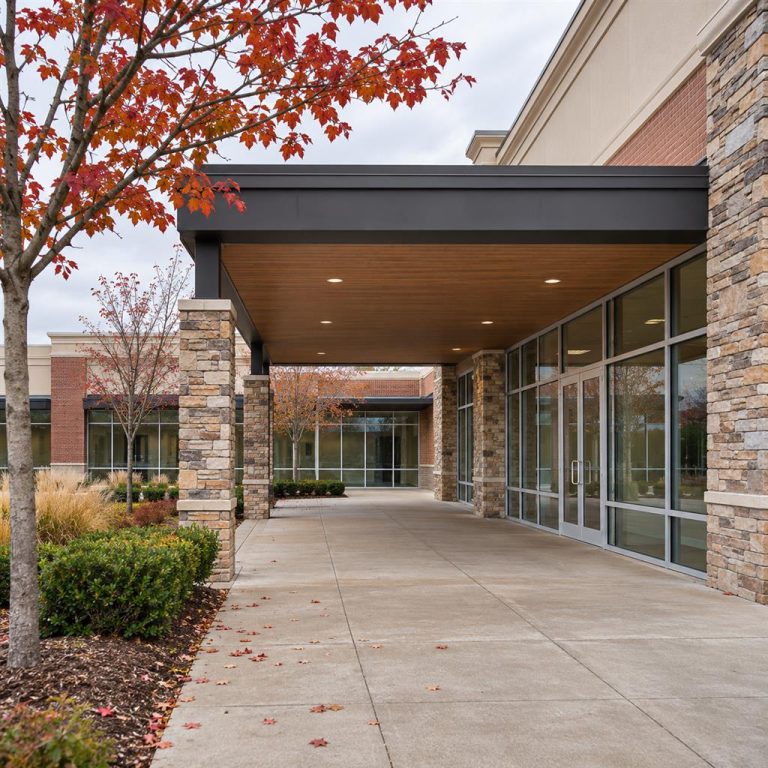
November is a useful time for a business to turn a broad real-estate question into a clear set of next steps. In Chattanooga, Tennessee, commercial space tour planning can help a decision-making team compare layout, access, timing, and operational priorities before treating a tour as a final decision. A thoughtful visit does not replace legal, financial, zoning, building-code, or professional site-selection advice. It does give prospective tenants a more organized basis for their next leasing conversation.
Start with the operating picture
Before a visit, write down the day-to-day activities the location must support. Consider customer arrival patterns, staffing, deliveries, privacy needs, collaboration, storage, accessibility questions, equipment that may require separate confirmation, and the hours that matter to the business. Commercial space tour planning is more useful when the team can explain its normal operations instead of relying only on a general impression of the space.
Make a small list of priorities
A long wish list can make a first visit less focused. Separate needs into essential functions, useful preferences, and questions that need a later answer. For many Chattanooga businesses, commercial space tour planning starts with the routes employees, visitors, customers, vendors, and deliveries would use. That framework helps the team notice whether the location supports its own workflow without assuming that a visible feature settles every operational question.
Review access and arrival
Observe the approach from the public street, entrances, parking areas, common paths, and the route into the available space. Note where visitors may pause, where deliveries would be coordinated, and what information should be confirmed with the leasing contact. Commercial space tour planning is a good time to ask which details are part of the property, which may vary by suite, and which require a separate discussion before any commitment is made.
Use a repeatable tour checklist
- What functions must the location support on an ordinary workday?
- Which arrival, parking, entry, or delivery questions should be confirmed?
- What layout, visibility, privacy, or customer-flow observations matter most?
- Which questions concern lease terms, permits, utilities, buildout, or professional advice?
- Who will compare notes and decide on the next conversation?
This checklist keeps commercial space tour planning practical. Photographs, measured notes, and a simple record of the date and suite can help a team compare options later. Avoid treating a quick visit as proof of a condition that has not been documented or discussed with the appropriate property, leasing, or professional contact.
Look at the suite in context
A prospective tenant sees more than the room itself. Common areas, neighboring uses, access points, wayfinding, exterior presentation, and the broader property environment can influence daily operations. During commercial space tour planning, note the context that may affect customer experience or staff routines. Then distinguish what was directly observed from information that still needs confirmation, such as availability, specifications, improvement scope, approvals, or terms.
Bring the right decision-makers
One person may focus on operations while another thinks about customer experience, finance, technology, staffing, or long-term flexibility. Commercial space tour planning works best when attendees know why they are present and can record the questions in their area. If a specialist needs to evaluate an issue, make that a follow-up item rather than drawing a technical conclusion during the first visit.
Plan for the calendar
Leasing conversations involve timing as well as space. A business may need to coordinate a visit around staffing, current lease dates, seasonal demand, permits, internal approvals, vendors, or buildout discussions. Use commercial space tour planning to identify a realistic desired occupancy window and the milestones that could affect it. This makes the next conversation clearer without presenting a schedule as guaranteed.
Compare options with the same questions
When several locations are under consideration, use the same note format at each one. Record the arrival experience, functional layout observations, access questions, items to verify, and the next person responsible. Consistent notes make commercial space tour planning easier to compare because a team is less likely to remember one location only by its first impression. They also make it easier to explain priorities to colleagues who were not present.
Prepare a useful leasing conversation
Before following up, assemble a short summary: the type of business, intended use, preferred timing, approximate space needs, access considerations, and open questions. A leasing representative can respond more effectively when a request describes the operating context. This is also an appropriate time to ask what documentation or next steps may be needed, rather than assuming that every detail is addressed in a first tour.
Keep claims and decisions appropriately scoped
Commercial space tour planning can reveal practical questions, but it does not determine whether a location is legally, financially, technically, or operationally suitable. Confirm items such as permitted use, code requirements, utilities, accessibility obligations, buildout, insurance, financing, and lease terms with the relevant qualified parties. That distinction protects the team from treating a preliminary observation as a final answer.
Move from tour to next step
For Chattanooga, Tennessee businesses, commercial space tour planning is most helpful when it produces a concise next-step list. Review the notes, identify the questions that require confirmation, and contact Eastgate Town Center to begin a leasing conversation. You can also review Eastgate Town Center leasing information before reaching out. A focused visit and clear follow-up give a business a better starting point for evaluating its options.
Revisit priorities before deciding
Needs can shift as a business reviews budgets, staffing, customer demand, and timing. Before moving forward, compare the original priorities with the information gathered during the visit. Commercial space tour planning remains valuable when the team updates its questions as facts are confirmed. A clear, documented process supports a more productive discussion with leasing, legal, financial, and other appropriate advisors.
